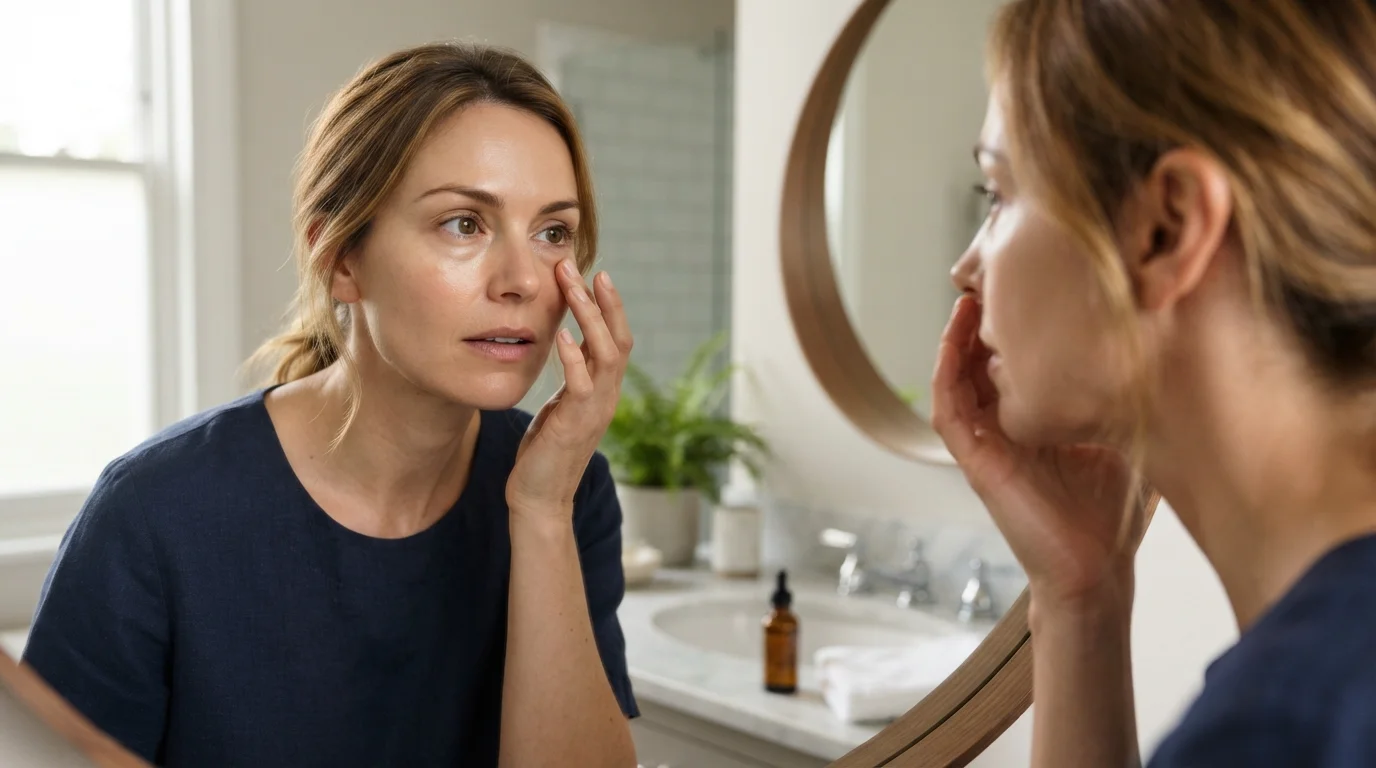
We’ve all had those mornings when we catch our reflection before coffee and wonder why our under-eyes look so swollen. Maybe it’s a little puffiness after a late night, or perhaps you’ve noticed fullness beneath your eyes that never seems to go away.
Most people immediately blame puffy eyes. But here’s something interesting: not every under-eye bulge is actually puffiness.
Sometimes, it’s temporary fluid buildup. Other times, it’s your natural lower eyelid shape, genetics, or changes that happen as you get older. Knowing the difference can save you from spending money on products that aren’t designed to solve your actual concern.
1. Puffy Eyes Aren’t Always the Problem
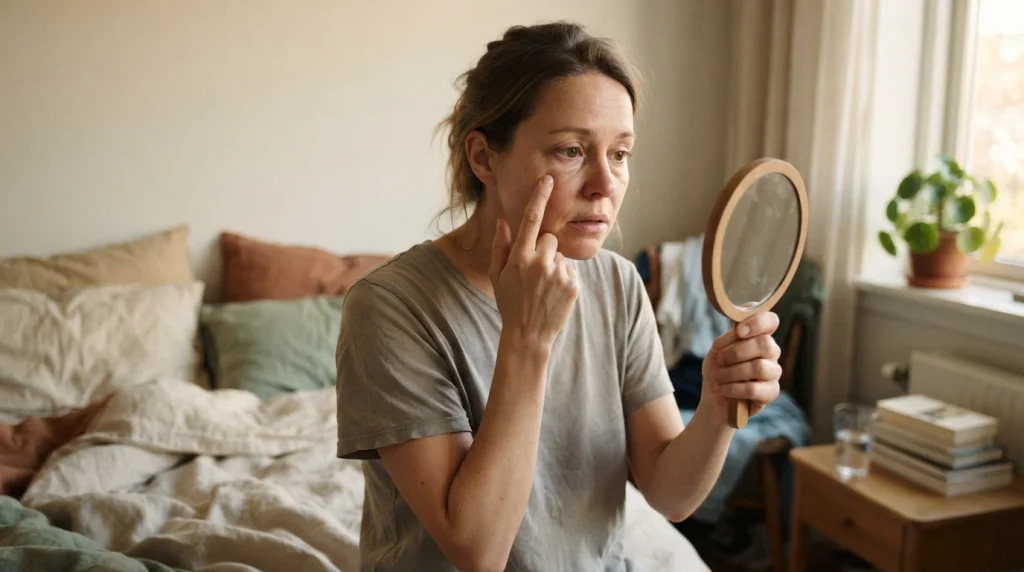
True under-eye puffiness often happens when fluid collects in the delicate tissues around your eyes. It’s especially noticeable in the morning because lying down overnight can allow fluid to settle around the eye area.
Think about the little things that happen the night before. A salty dinner, a few hours of poor sleep, crying before bed, or seasonal allergies can all make your eyes look more swollen the next morning.
The good news? Temporary puffiness often improves as you get up, move around, and start your day.
But what if it doesn’t?
That’s when it’s worth looking a little closer.
2. Look Closely at Your Lower Eyelids
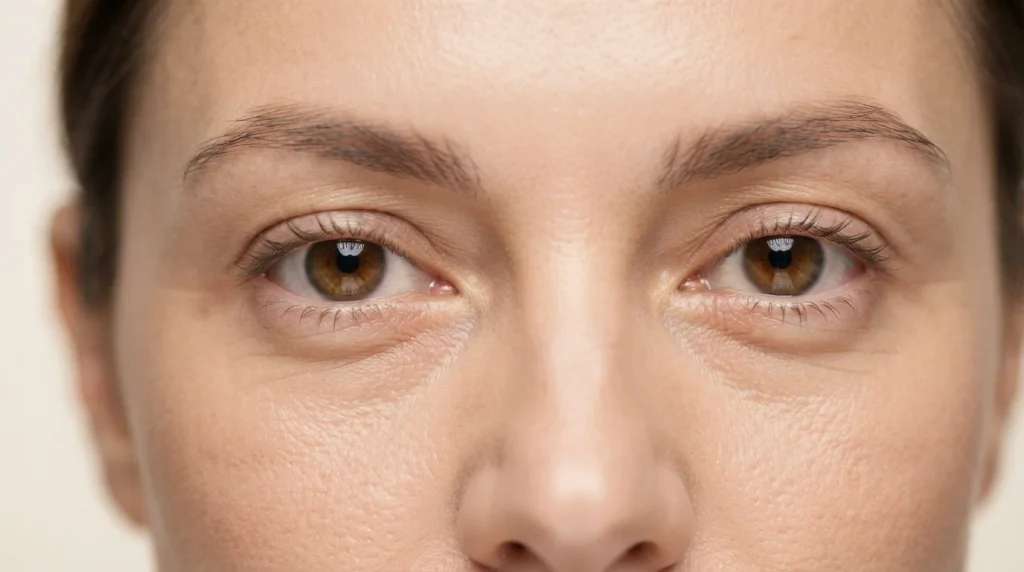
Not all under-eye fullness comes from swelling.
As we age, our skin gradually loses collagen and elasticity. The tissues supporting the area around our eyes also change, sometimes making natural fat pads more noticeable. Genetics can play a part, too.
Some people naturally have fuller lower eyelids, even when they’re young, healthy, and well-rested.
There’s another feature worth knowing about: aegyo-sal. It’s a small area of natural fullness just beneath the lower lash line that becomes more noticeable when you smile.
It’s not necessarily a sign of tiredness or under-eye bags. For some people, it’s simply part of their natural eye shape.
So before assuming something’s wrong, take a moment to notice where the fullness actually sits.
3. What Makes Under-Eye Puffiness Worse?

Sometimes, it’s not just one thing. A few everyday habits can make the area beneath your eyes look more swollen than usual.
- Too much salt: Salty meals may encourage temporary water retention, making morning puffiness more noticeable.
- Poor sleep: When you don’t get enough rest, your eyes can look tired and swollen.
- Allergies: Pollen, dust, and other triggers can cause itching, irritation, and puffiness.
- Alcohol: Drinking alcohol may contribute to dehydration and disturb your sleep.
- Sleeping position: Sleeping face-down or lying flat may make morning swelling more noticeable.
Small habits matter. You don’t need to change your entire routine overnight. Just start noticing what seems to make your eyes look different.
4. Simple Ways to Reduce Temporary Puffiness
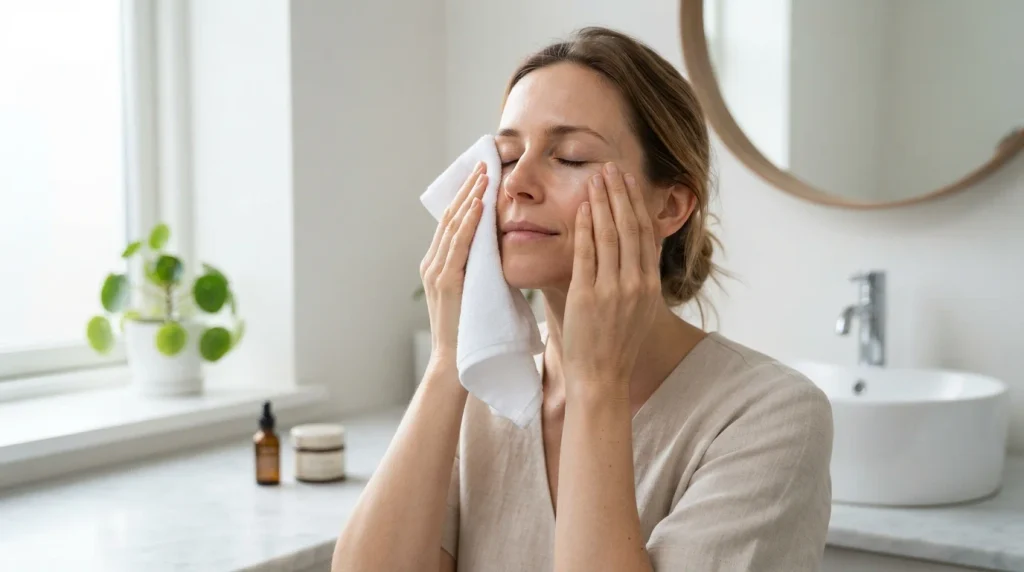
If your under-eyes look swollen, you don’t necessarily need an expensive eye cream. A few gentle habits may help.
Try a cold compress: Take a clean, cool washcloth and place it over your closed eyes for a few minutes. It can temporarily reduce swelling and leave the area feeling refreshed.
Get enough sleep: Try to follow a consistent sleep schedule. Your body needs proper rest, and your eyes can show it when you’re not getting enough.
Watch your evening meals: If you often wake up with puffy eyes, try reducing very salty foods, especially late at night.
Stay hydrated: Drink enough water throughout the day. It’s a simple habit, but it supports your body’s normal fluid balance.
Manage allergies: If your eyes frequently itch or swell, pay attention to possible triggers. Managing allergies may help reduce recurring puffiness.
One important thing to remember: these habits may help with temporary swelling, but they won’t remove natural fat pads, loose skin, or genetic under-eye fullness.
5. When Should You Be Concerned?
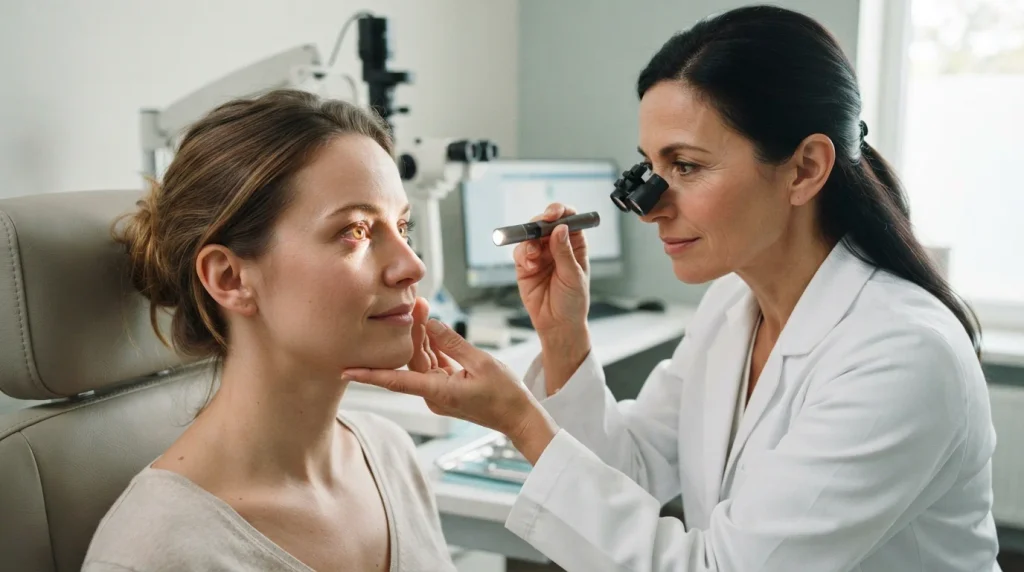
Occasional morning puffiness is common. Usually, it isn’t something to panic about.
However, swelling that keeps returning or doesn’t improve deserves attention. Watch for symptoms such as significant redness, pain, unusual discharge, or changes in your vision.
Sudden or severe swelling, especially around one eye, should be assessed promptly. Allergies, infections, thyroid conditions, and other health concerns can sometimes affect the eye area.
If swelling persists or comes with other unusual symptoms, speak with a healthcare professional rather than relying only on skincare products.
6. Before You Blame Your Eye Cream
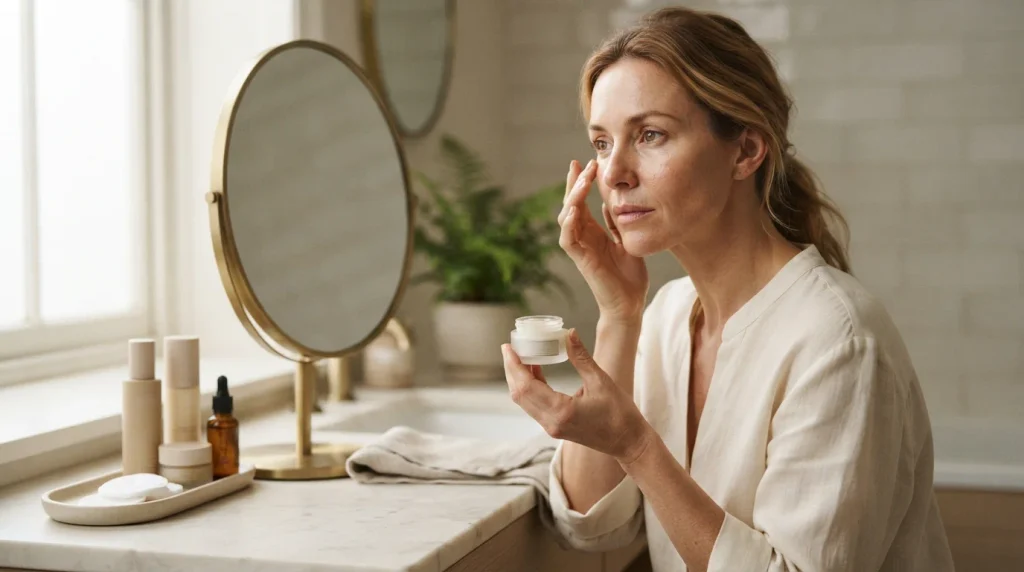
Here’s something many people overlook: your under-eye area doesn’t always need another product.
If the problem is temporary fluid buildup, better sleep habits and a cool compress may help. If allergies are involved, managing the trigger matters more. And if the fullness comes from your natural anatomy or age-related changes, an eye cream is unlikely to make it disappear completely.
That’s why understanding the cause matters.
You can try product after product, but if you’re treating the wrong problem, you may not see the results you’re hoping for.
Final Thoughts

The area beneath your eyes can tell a different story than you might expect. What looks like puffiness could be temporary swelling, natural lower eyelid fullness, or age-related changes.
They’re not all the same.
So before worrying about every little fold or buying another eye cream, take a closer look. Notice when the fullness appears, where it sits, and whether it changes throughout the day.
Sometimes, the best first step isn’t finding another product. It’s understanding what you’re actually seeing.